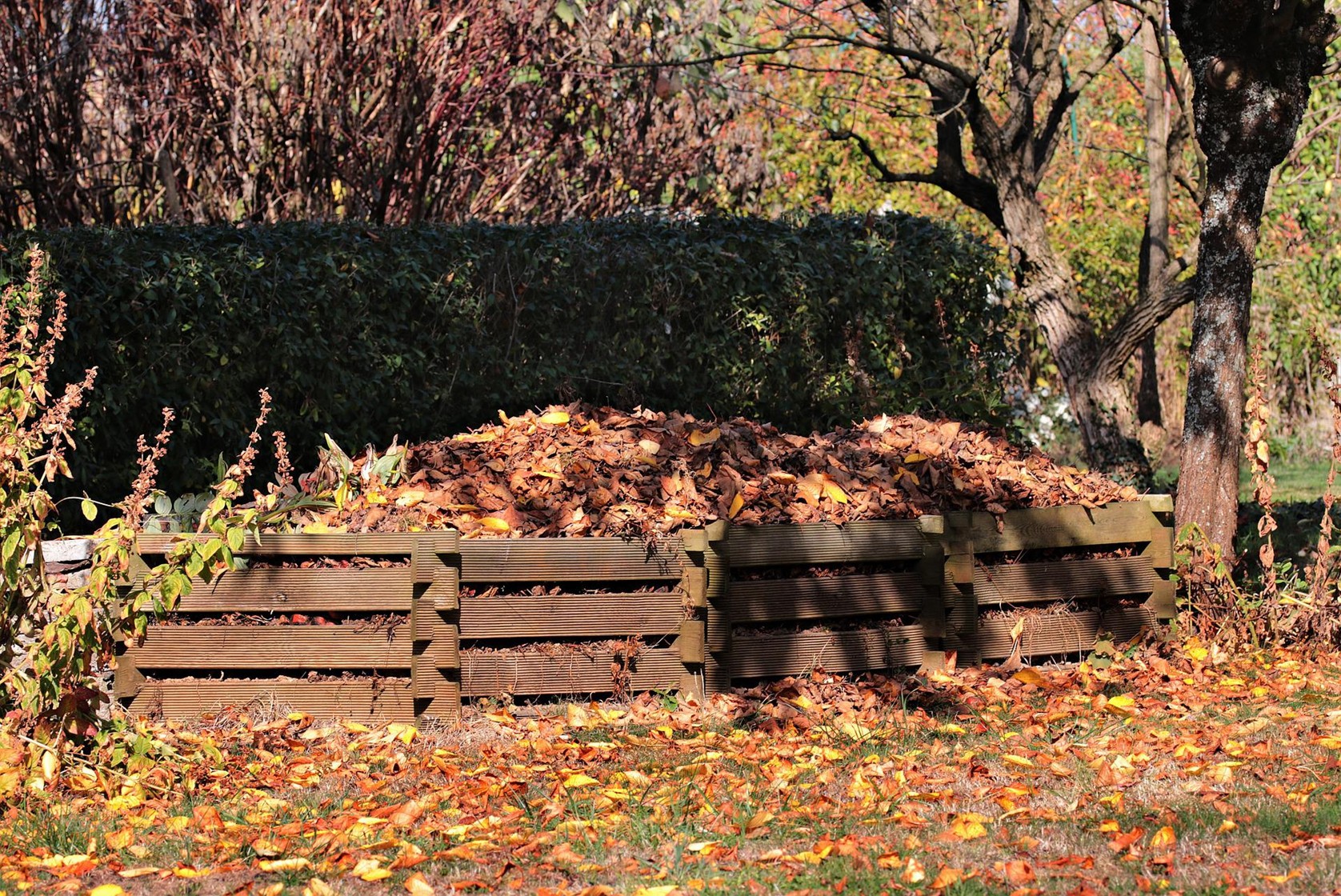
Cold Composting
A passive, primarily anaerobic composting process. Organics are broken down by microorganisms that survive in an oxygen-free environment. Often referred to as the “set it and forget it” type of compost, which is traditionally used in residential and small farm settings.
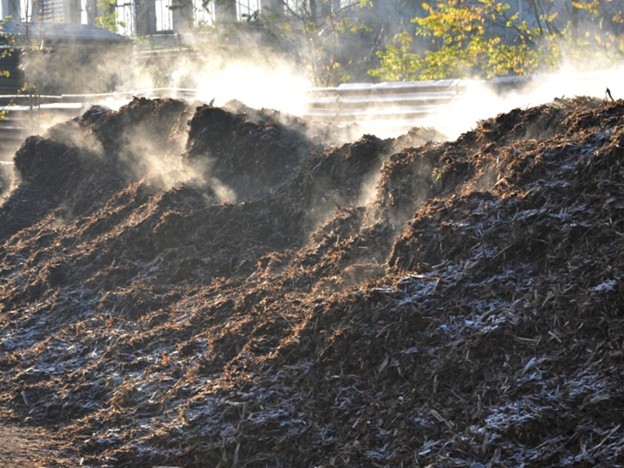
Hot Composting
An active composting process is supported by specific microorganisms that thrive and work during the three temperature-changing stages. Properly managed, the high temperature of the hot composting process creates an environment that is both strong and hot enough to safely break down organic materials.
In-Vessel Composting
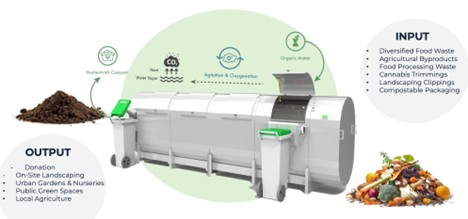
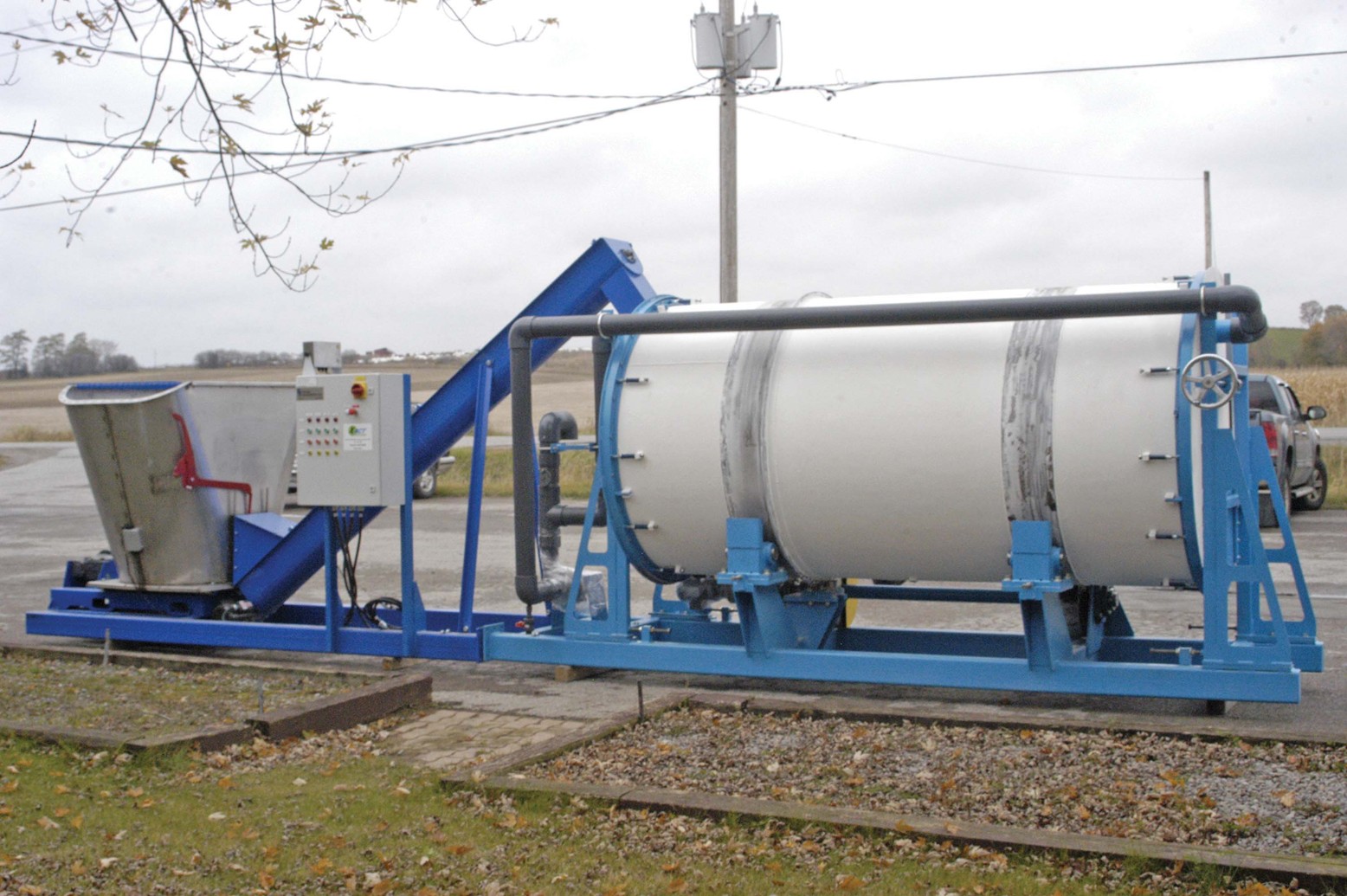
A controlled, typically large-scale/commercial composting solution where organic waste decomposes within a container or vessel using mechanical aeration and turning to accelerate the process. This method enables greater control over temperature, as well as oxygen and moisture levels.
Tumbler Composting
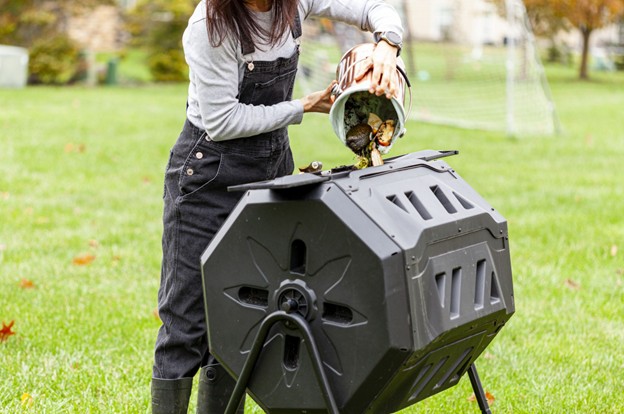
A common residential backyard composting solution designed to provide nutrient-rich compost more easily and more quickly. Compost tumblers are enclosed bins, typically barrel-shaped, that require regular turning and moistening.
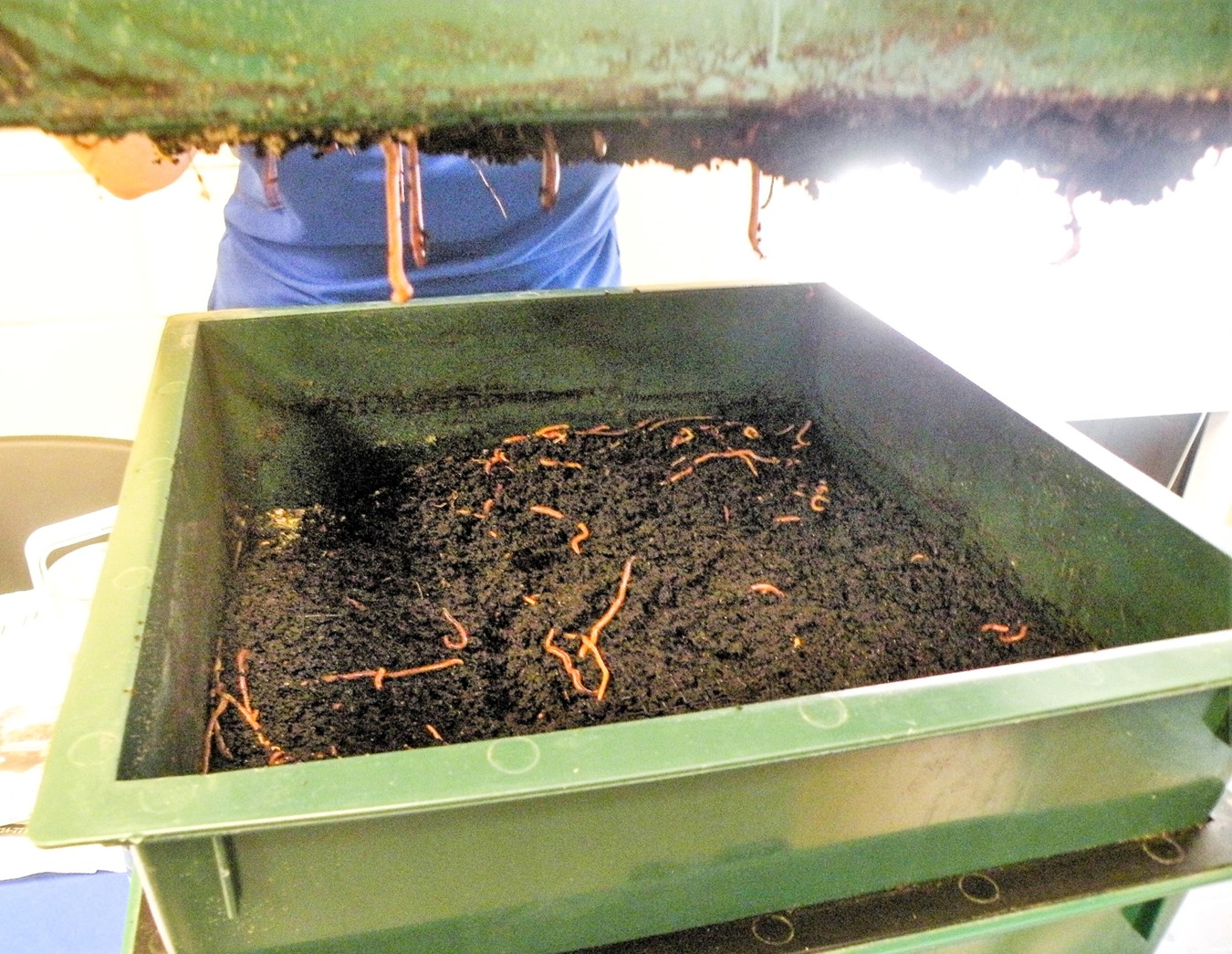
Vermicomposting
Not all worms are the same! Vermicomposting uses specific compost worms to break down organic matter. Vermicast, or worm manure, is the densely nutrient-rich end-product of this composting process.
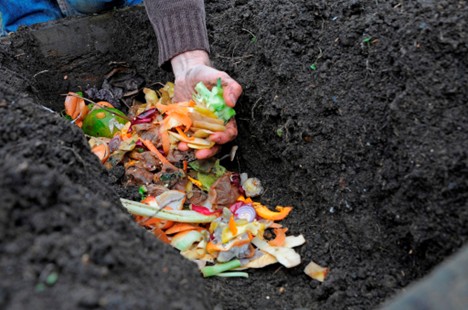
Trench/Pit Composting
A dig and drop option, trench or pit composting, is another mostly passive composting method. Trench composting involves digging a hole approximately one foot deep in an empty space within your growing area, filling it no more than halfway, and covering it with the removed soil.
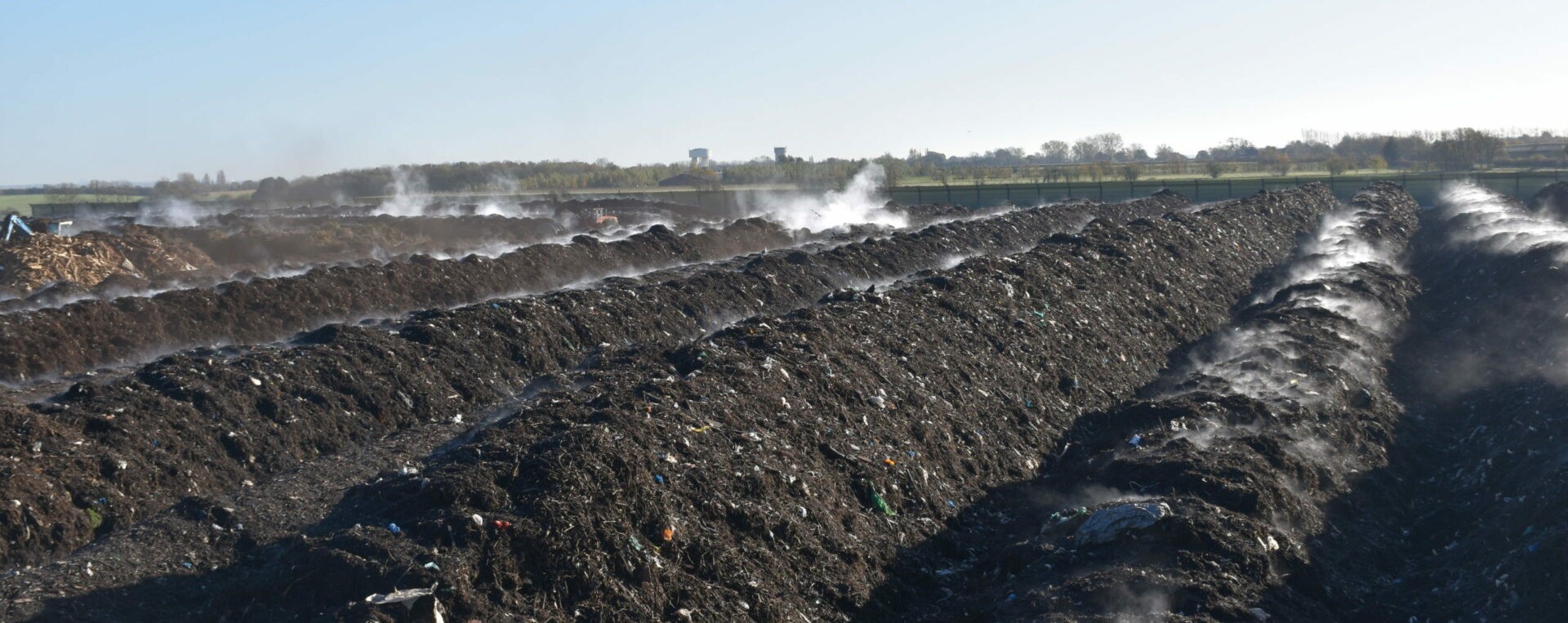
Windrow Composting
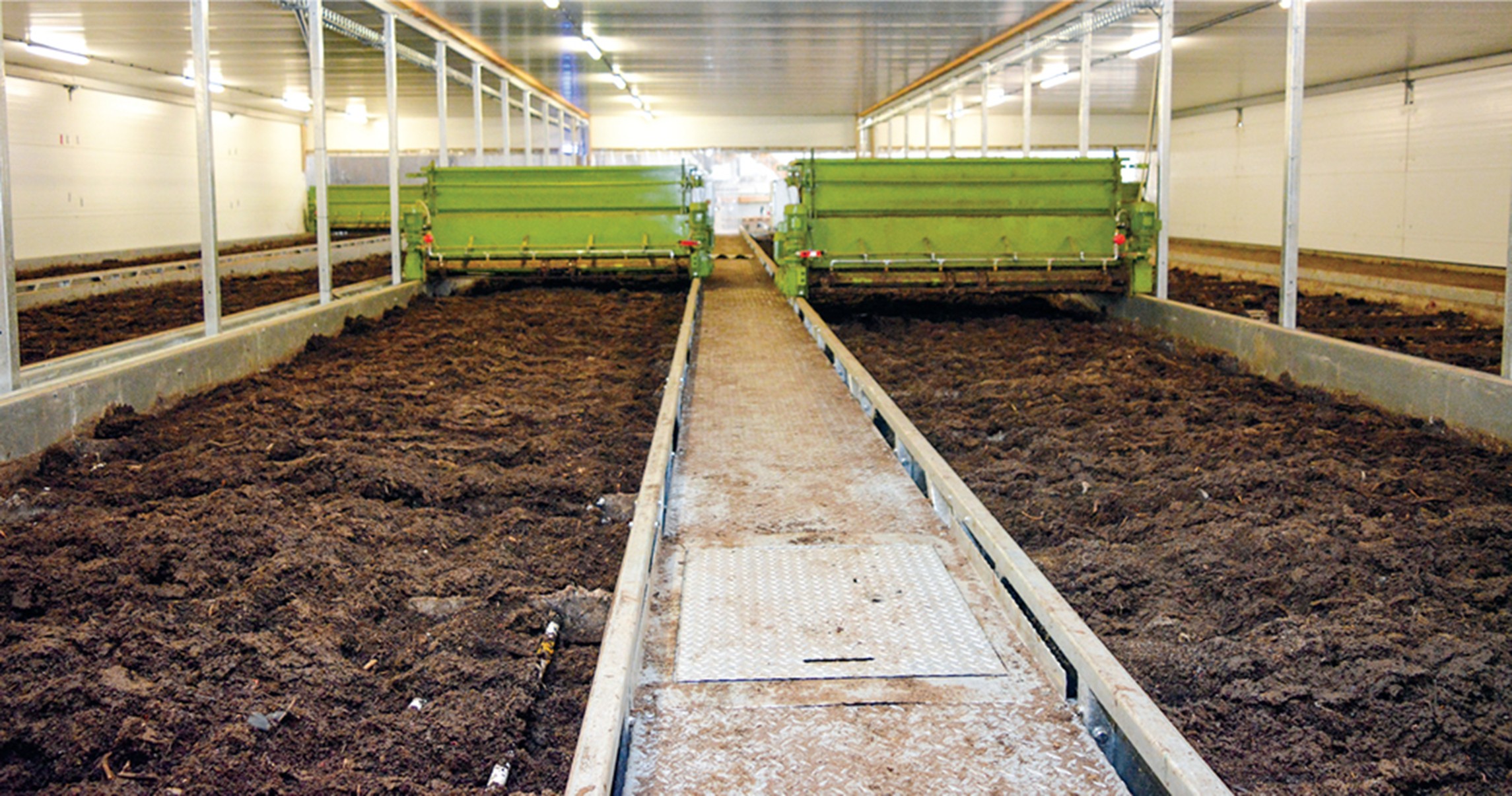
A large-scale, hot composting method that requires a significant amount of space. Organic waste is dropped and formed into long, narrow piles called windrows that require periodic turning for aeration. Specific material ratios and the aeration process provide oxygen to microorganisms, accelerate decomposition, and help prevent odor.
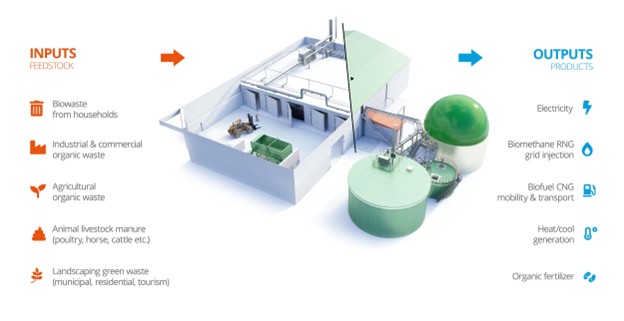
Industrial or Anaerobic Digestion
A large-scale composting system that uses specific bacteria to break down organic waste in the absence of oxygen. This process produces biogas, primarily methane, as well as a nutrient-rich digestate. The digestate is used as a valuable soil amendment. Popular within food processing and agriculture.
Aerated Static Pile (ASP) Composting
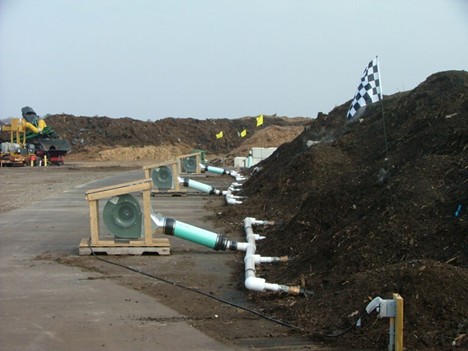
ASP is a composting method that uses forced air to maintain oxygen flow within a stationary pile. Eliminating the need for frequent turning, this system efficiently processes large volumes of organic waste by maintaining the high temperatures necessary for decomposition and pathogen destruction.
Leaf Mould Composting
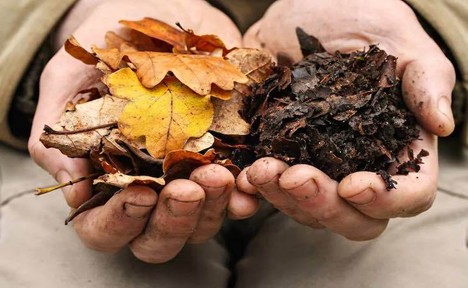
Leaf mould is a cool, anaerobic process that takes one to three years to complete, resulting in a crumbly, nutrient-rich compost. This process is primarily driven by fungi, as opposed to the typical bacteria-driven methods.
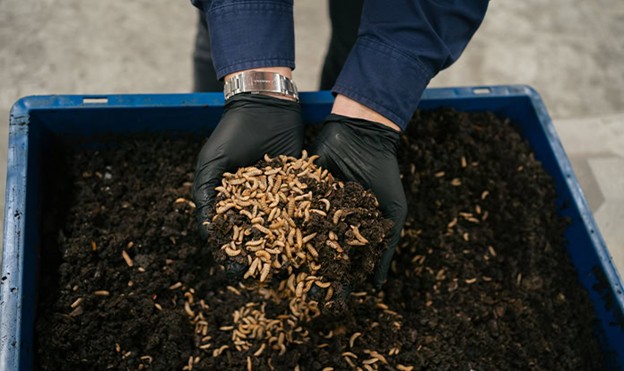
Black Soldier Fly Larvae (BSFL)
Black Soldier Fly Larvae composting is a fast and efficient method for breaking down organic waste using larvae. Unlike traditional composting, Black Soldier Flies can process a wide range of food scraps, including meat and dairy products. The larvae themselves can be harvested for use as animal feed. Outdoor BSFL Composting has a season here in Indiana, as the larvae cannot survive below 55°F.